

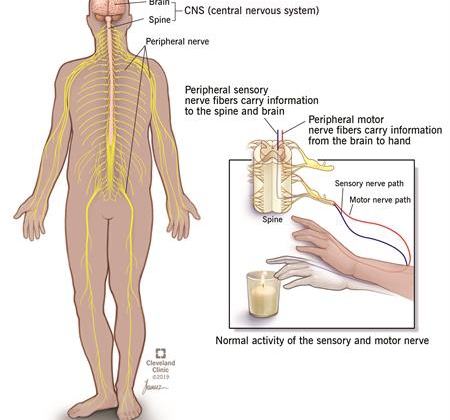
Neuropathy is damage or dysfunction of one or more nerves that typically results in numbness, tingling, muscle weakness and pain in the affected area.

Neuralgia is a stabbing, burning, and often severe pain due to an irritated or damaged nerve. The nerve may be anywhere in the body, and the damage may be caused by several things.
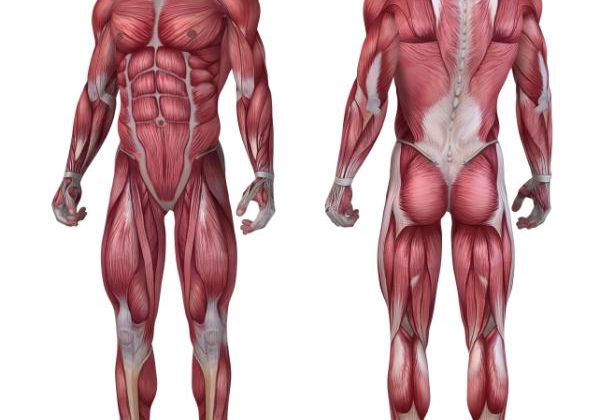
Muscular dystrophy is a group of diseases that cause progressive weakness and loss of muscle mass. In muscular dystrophy, abnormal genes (mutations) interfere with the production of proteins needed to form healthy muscle.
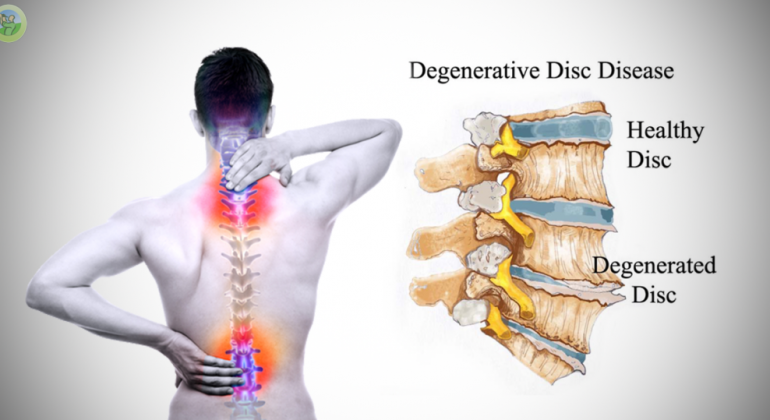
Degenerative disc disease in the lumbar spine can cause pain in the lower back, hips, and legs. Painful disc degeneration is common in the neck (cervical spine) and lower back (lumbar spine).

A disease characterised by profound fatigue, sleep abnormalities, pain and other symptoms that are made worse by exertion.
Chronic fatigue syndrome occurs more commonly in women.
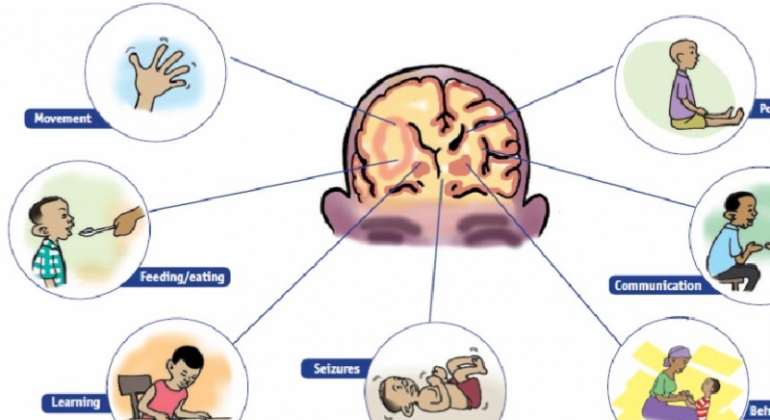
Cerebral palsy (CP) is a group of disorders that affect a person’s ability to move and maintain balance and posture. CP is the most common motor disability in childhood.
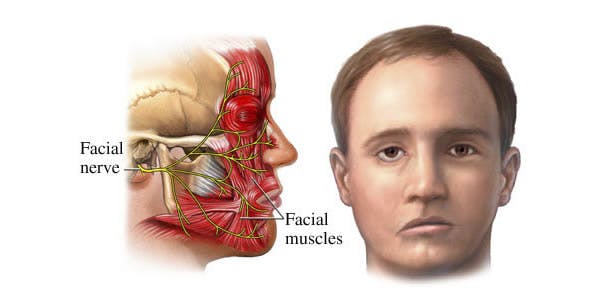
Bell’s palsy is a condition that causes a temporary weakness or paralysis of the muscles in the face. It can occur when the nerve that controls facial muscles becomes inflamed, swollen or compressed.
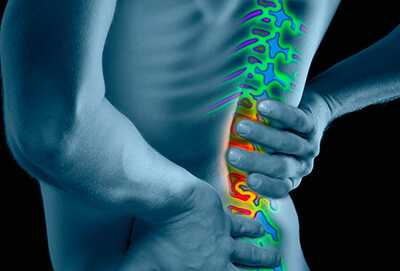
Conditions commonly linked to back pain include: Muscle or ligament strain. Repeated heavy lifting or a sudden awkward movement can strain back muscles and spinal ligaments.